

 Recently
 Locate
Cart
0

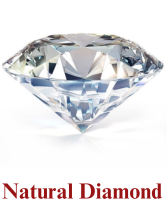
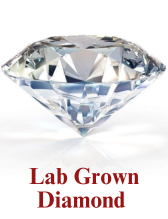
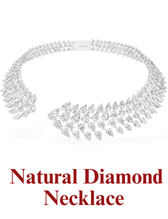
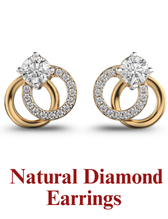
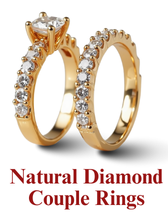
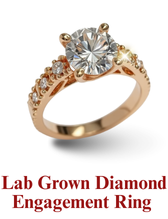
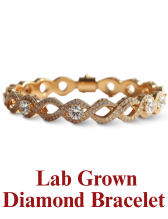
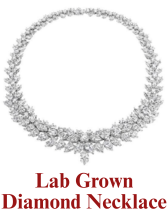
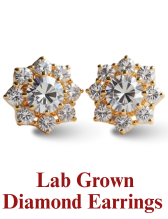
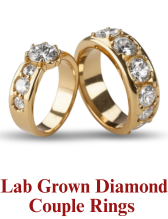

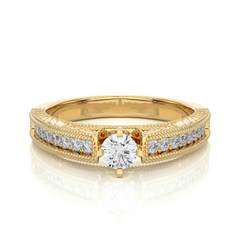
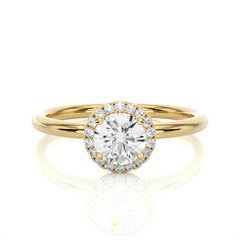

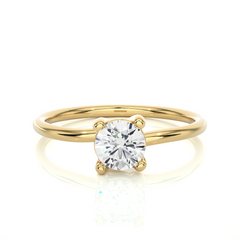
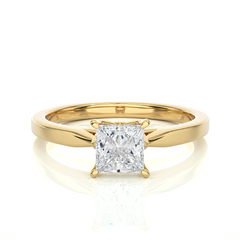

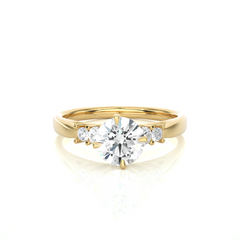
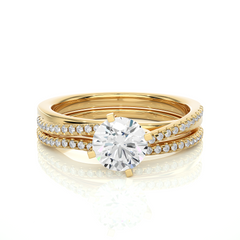


In today’s evolving jewelry market, lab grown diamond rings have emerged as one of the most preferred choices for modern buyers. Consumers are no longer looking only for beauty; they also want transparency, value, and ethical sourcing. This shift has made lab-grown diamonds a powerful alternative to traditional mined stones.
Unlike trends that fade with time, lab grown diamond rings represent a permanent change in how people view luxury. These diamonds deliver the same brilliance, fire, and durability as natural diamonds while offering better affordability and peace of mind. As awareness increases, more couples and individuals are choosing this smarter form of fine jewelry.
This complete guide will walk you through everything you need to know about lab grown diamond rings, including how they are made, why they are valuable, popular styles, pricing, and how to choose the perfect ring.
What Are Lab-Grown Diamond Rings?
Lab grown diamond rings feature diamonds that are created in highly controlled laboratory environments using advanced technology. These diamonds are chemically, physically, and optically identical to mined diamonds. Even professional gemologists require specialized equipment to tell them apart.
The biggest difference lies in origin, not quality. Natural diamonds form beneath the earth over billions of years, while lab-grown diamonds are produced in a matter of weeks. Once grown, they are cut, polished, certified, and set just like traditional diamonds, resulting in premium-quality jewelry.
How Lab-Grown Diamonds Are Created
There are two primary methods used to create diamonds for lab grown diamond rings.
The first method is High Pressure High Temperature (HPHT), which mimics the natural conditions under which diamonds form. Carbon is exposed to intense heat and pressure, producing a real diamond crystal.
The second method is Chemical Vapor Deposition (CVD). In this process, a diamond seed is placed inside a chamber filled with carbon-rich gas. The gas breaks down and carbon atoms bond layer by layer, forming a diamond.
Both processes create diamonds that are authentic, durable, and suitable for fine jewelry.
Why Choose Lab-Grown Diamond Rings?
One of the biggest reasons buyers prefer lab grown diamond rings is value. These diamonds typically cost 30–40% less than natural diamonds of the same quality. This allows customers to choose larger carat sizes or higher clarity without exceeding their budget.
Ethical sourcing is another major factor. Lab-grown diamonds are conflict-free and do not involve mining practices that impact communities or ecosystems. For environmentally conscious buyers, this makes lab-grown diamonds a responsible choice.
Sustainability also plays a key role. Creating diamonds in a laboratory requires fewer natural resources and causes significantly less environmental damage compared to mining.
Lab-Grown Diamond Rings vs Natural Diamond Rings
When comparing lab grown diamond rings with natural diamond rings, appearance is identical. Both sparkle the same, feel the same, and rank 10 on the Mohs hardness scale, making them equally durable for everyday wear.
The main differences are price, sourcing, and environmental impact. Lab-grown diamonds provide transparency and affordability without sacrificing beauty or longevity, which is why they are becoming increasingly popular worldwide.
Popular Styles of Lab-Grown Diamond Rings

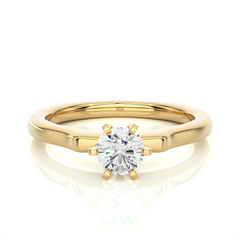
Solitaire designs are timeless and remain the most loved choice. Lab grown diamond rings in solitaire settings highlight a single diamond, making them perfect for engagements and classic elegance.
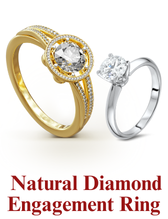
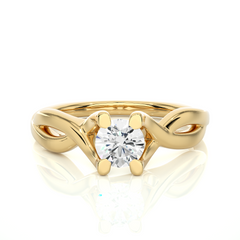
Engagement rings are another popular category. From round and oval cuts to cushion, pear, and emerald shapes, lab-grown diamonds offer endless design possibilities.
Wedding bands featuring pave or channel-set diamonds are ideal for daily wear. Fashion rings, including multi-stone and statement designs, are also gaining popularity among younger buyers.
Minimalist styles appeal to modern tastes, while vintage-inspired designs attract those who love intricate detailing. Regardless of design preference, lab grown diamond rings offer unmatched versatility.
Understanding the 4Cs
 Choosing the right diamond for lab grown diamond rings starts with understanding the 4Cs: cut, color, clarity, and carat.
Cut determines how well the diamond reflects light and directly affects brilliance. Color ranges from colorless to slightly tinted, with higher grades being more valuable. Clarity measures natural inclusions, most of which are invisible to the naked eye. Carat refers to weight and impacts overall appearance.
Balancing these factors helps buyers select a ring that meets both aesthetic and budget goals.
Certification and Quality Assurance
Always choose certified diamonds when purchasing lab grown diamond rings. Reputable gemological laboratories grade these diamonds using the same standards as natural diamonds. Certification ensures transparency, authenticity, and trust.
A certified diamond confirms that you are receiving a real diamond with verified quality characteristics.
Pricing of Lab-Grown Diamond Rings
The cost of lab grown diamond rings depends on diamond quality, carat size, metal choice, and design complexity. Even at higher specifications, lab-grown diamonds remain more affordable than mined alternatives.
This pricing advantage allows buyers to invest in better craftsmanship, premium settings, or customized designs without compromise.
Lab-Grown Diamond Rings in India
 In India, demand for lab grown diamond rings is rising rapidly. Buyers appreciate the combination of affordability, modern aesthetics, and ethical sourcing. Engagements, weddings, and gifting occasions increasingly feature lab-grown diamond jewelry.
Urban consumers especially prefer lab-grown diamonds due to their transparency and value-driven appeal.
Durability and Everyday Wear
Many people wonder if lab grown diamond rings are suitable for daily wear. The answer is yes. These diamonds are just as hard and durable as natural diamonds, making them ideal for long-term use.
With proper care, lab-grown diamond rings retain their sparkle and structure for generations.
Caring for Your Diamond Ring
To maintain brilliance, clean your ring regularly using mild soap and warm water. Store it separately to prevent scratches and consider professional cleaning once or twice a year.
Proper care ensures your lab grown diamond rings remain as radiant as the day you bought them.
Future of Lab-Grown Diamond Rings
The future of fine jewelry is shifting toward sustainability and innovation, and lab grown diamond rings are at the forefront of this change. As technology improves and awareness grows, lab-grown diamonds are expected to dominate the global diamond market.
Consumers today want luxury with meaning, and lab-grown diamonds deliver exactly that.
Conclusion
Choosing lab grown diamond rings means embracing beauty, responsibility, and smart value. They offer the same timeless elegance as natural diamonds while aligning with modern ethical and environmental values.
Whether you are buying an engagement ring, wedding band, or a statement piece, lab-grown diamond rings provide a future-ready choice that combines luxury with conscience. As preferences evolve, lab-grown diamonds continue to redefine what true brilliance means.


