

 Recently
 Locate
Cart
0



TL;DR
Buying lab grown diamond engagement rings is not simply about finding the biggest diamond for your budget. The right ring depends on the diamond's cut, color, clarity, carat, certification, setting, metal, and overall design.
In this guide, we'll explain what actually matters when comparing lab grown diamond rings, lab grown engagement rings, and lab created diamond rings, so you can shop with confidence.
Why Are Lab Grown Diamond Engagement Rings So Popular?
Engagement ring shopping can quickly become a rabbit hole.
You start by searching for engagement rings, and five minutes later you're comparing diamond shapes, carat weights, gold colors, certifications, and wondering whether “Excellent Cut” is actually worth paying more for.
That's where understanding what matters can make the process much easier.
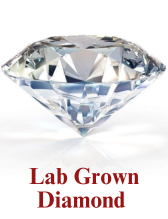
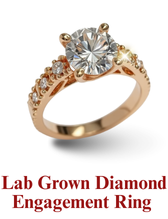
Lab grown diamond engagement rings are real diamonds created in controlled laboratory environments. They have the same basic chemical, physical, and optical properties as natural diamonds, while their origin is different. They are also graded using the familiar 4Cs: cut, color, clarity, and carat weight.
For today's buyers, lab grown engagement rings offer a modern option across classic and contemporary designs.

1. Start With the Diamond Cut
If sparkle is your priority, start with cut.
Cut determines how effectively a diamond interacts with light, influencing its brightness, fire, and scintillation. This is why two diamonds with the same carat weight can look noticeably different.
For round lab grown diamond rings, an Excellent cut is commonly sought by buyers who want strong brilliance. For fancy shapes such as oval, pear, and cushion, proportions and visual appearance need closer attention because standardized cut grades may not apply in the same way.
Solitairekart Tip: Don't choose a diamond based on carat alone. A well-cut lab diamond ring can look more impressive than a larger stone with weaker proportions.
2. Choose a Diamond Shape That Matches Her Style
The shape is where personality enters the conversation.
Round remains a classic choice for diamond engagement rings, while oval, pear, emerald, cushion, princess, and marquise shapes offer different visual personalities.
For engagement rings for women, consider her existing jewelry and personal style:
- Round: Classic and versatile
- Oval: Elegant and elongated
- Pear: Romantic and distinctive
- Emerald: Clean and sophisticated
- Cushion: Soft and vintage-inspired
- Princess: Modern and structured
- Marquise: Dramatic and elongated
The best lab grown engagement rings aren't necessarily the trendiest ones. They're the ones that feel right for the person wearing them.
3. Understand Color and Clarity
Color and clarity can sound intimidating, but they don't have to be.
Diamond color generally ranges from D to Z, with D representing the highest colorless grade. Clarity describes the presence of internal and external characteristics. These grades are documented on laboratory reports.
When comparing lab created diamond rings, don't automatically assume that the highest possible grade is the best purchase.
Instead, compare diamonds with similar specifications and look at how the stone actually appears. Your preferred metal also matters. Yellow and rose gold can create a warmer overall appearance, while white gold and platinum offer a brighter, cooler look.
4. Don't Ignore Carat Weight
Carat is probably the specification shoppers notice first.
But carat measures weight, not how beautiful or sparkly a diamond will look.
A well-proportioned 1-carat diamond can appear more impressive than a poorly proportioned diamond with a higher carat weight.
When comparing lab grown diamond engagement rings, consider the complete combination of cut, shape, color, clarity, and carat rather than chasing one number.
5. Always Check the Certification
Certification is one of the most important things to check before purchasing a diamond.
An independent grading report documents the diamond's characteristics and confirms its laboratory-grown origin. IGI states that its lab-grown diamond reports include information such as shape, measurements, the 4Cs, and laboratory-grown origin.
If you're comparing several lab grown diamond rings, make sure you're comparing certified diamonds with equivalent specifications.
Solitairekart Tip: Ask for the applicable certificate and verify the report details before finalizing your lab diamond ring.
6. Pick the Right Ring Setting
The diamond is important, but the setting determines how the entire ring looks and wears.
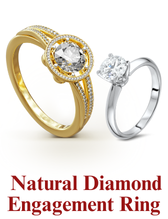
Solitaire
A classic choice that keeps attention on the center diamond.
Halo
Smaller diamonds surround the center stone, creating a fuller appearance.
Three-Stone
A meaningful option representing past, present, and future.
Hidden Halo
A subtle surprise beneath the center stone that adds extra sparkle from the side.
Bezel
A modern setting where metal surrounds the diamond, offering a clean appearance and additional protection.
For everyday engagement rings, think about lifestyle as well as appearance. Someone constantly working with their hands may prefer a lower-profile or more protective setting.
7. Choose the Right Metal
Your choice of metal can completely change the personality of your diamond engagement rings.
14K gold: Practical and durable for everyday jewelry.
18K gold: Higher gold purity with a rich, premium appearance.
Yellow gold: Warm and traditional.
White gold: Clean and contemporary.
Rose gold: Romantic and modern.
Choose the metal based on both aesthetics and how the ring will fit into the wearer's existing jewelry collection.
Lab Grown Diamond Rings vs Natural Diamond Rings
One of the biggest questions buyers have is whether they should choose natural or lab grown.
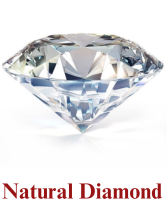
The main distinction is origin. Natural diamonds form naturally within the earth, while lab grown diamonds are produced using controlled laboratory processes.
Both can be evaluated through diamond quality characteristics such as cut, color, clarity, and carat.
For shoppers considering lab grown engagement rings, the decision can come down to personal preferences, budget, design, and the importance they place on diamond origin.
What Should You Actually Look For?
Before buying lab grown diamond engagement rings, use this simple checklist:
✔ Diamond shape — Does it match her personality?
✔ Cut — Does it deliver the sparkle you want?
✔ Color — Does it complement the chosen metal?
✔ Clarity — Is the diamond visually clean?
✔ Carat — Does the size suit your budget and style?
✔ Certification — Is the diamond independently documented?
✔ Setting — Is it attractive and practical?
✔ Metal — Does it suit her existing jewelry?
✔ Ring size — Is the fit comfortable and accurate?
✔ Return/resizing policy — What happens if the size needs adjustment?
This checklist is useful whether you're shopping for lab created diamond rings, a lab diamond ring, or traditional diamond engagement rings.
Why Choose Solitairekart?
At Solitairekart, you can explore lab grown diamond engagement rings, lab grown diamond rings, and other engagement rings for women across different diamond shapes, settings, gold options, and styles.
Whether you prefer a classic solitaire, a glamorous halo, or a modern contemporary design, the goal is to find an engagement ring that feels personal.
Explore Solitairekart's collection of lab grown engagement rings and compare designs based on the details that actually matter to you.
Final Thoughts
The perfect engagement ring isn't simply the biggest diamond or the highest specification on a certificate.
It's the combination of diamond quality, design, comfort, craftsmanship, and personal meaning.
Whether you're comparing lab grown diamond engagement rings, lab grown diamond rings, lab created diamond rings, or classic diamond engagement rings, take your time, compare like-for-like specifications, and choose a ring that feels as special as the moment it represents.
Because ultimately, the best lab diamond ring isn't the one with the most impressive numbers.
It's the one that makes you stop and think, “This is the one.”


