

 Recently
 Locate

Cart
0

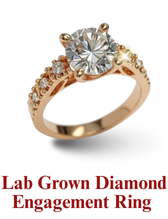
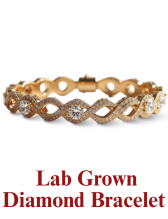
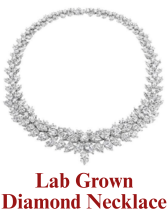
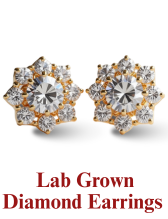
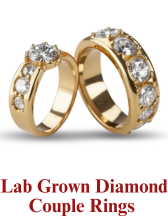


How to Choose a Lab Grown Diamond Ring in 2026
Buying your first diamond ring is exciting, but it can also bring plenty of questions. Should you choose a natural diamond or a lab grown diamond? Which diamond shape looks best? Does gold purity matter? And how do you know whether you're getting good quality for your budget?
A diamond ring can celebrate an engagement, mark a special achievement, become a meaningful gift or simply be something you've always wanted for yourself.
That's why choosing a ring should begin with understanding its purpose, not just looking at the price or diamond size.
This lab grown diamond ring buying guide will help you understand the important details before making your first purchase.
What Is a Lab Grown Diamond Ring?
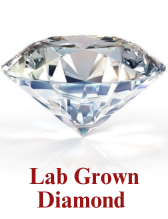
A lab grown diamond ring features a real diamond created in a controlled laboratory environment rather than formed naturally beneath the Earth's surface.
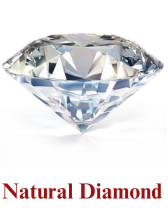
Lab grown diamonds have essentially the same chemical composition, crystal structure and optical properties as natural diamonds. The main difference is their origin.
Natural diamonds develop through geological processes over extremely long periods, while lab grown diamonds are produced using advanced methods such as Chemical Vapour Deposition (CVD) and High Pressure High Temperature (HPHT).
Both are genuine diamonds, not diamond imitations such as cubic zirconia.
Lab grown diamonds generally cost less than comparable natural diamonds, allowing buyers to explore different sizes and designs within their budget.
For customers exploring lab grown diamond rings India, understanding this difference is an important first step.
Understand the Diamond Ring 4Cs Before Buying
Before choosing a diamond, become familiar with the diamond ring 4Cs: Cut, Colour, Clarity and Carat Weight.
These four characteristics help describe a diamond's quality and appearance.
Cut – How Beautifully Does the Diamond Sparkle?
Cut refers to how well a diamond's proportions, symmetry and finishing help it interact with light. A well-cut diamond can look bright and lively.
For round brilliant diamonds, cut grades are particularly useful when comparing options. Fancy-shaped diamonds require additional attention to proportions and appearance.
Colour – How Colourless Is the Diamond?
Diamonds are commonly graded from D to Z, with D representing the colourless end of the scale.
D, E and F diamonds are considered colourless, while G, H, I and J fall within the near-colourless range.
Many buyers find near-colourless diamonds attractive, especially when balancing quality and budget.
Clarity – What Are Diamond Inclusions?
Clarity describes internal features called inclusions and surface characteristics called blemishes.
Grades such as VVS and VS can offer attractive options, but the visibility of inclusions depends on the individual diamond.
You don't always need the highest clarity grade to find a beautiful ring.
Carat – Does Bigger Mean Better?
Carat measures diamond weight, not its exact visible size.
A larger diamond isn't automatically the better choice. Shape, proportions, cut quality and ring design also influence its appearance.
Buying tip: Instead of spending your entire budget on carat weight, aim for a sensible balance between the 4Cs, setting quality and comfort.

Choose the Right Diamond Ring Setting
The setting holds the diamond in place and gives the ring its overall character. Different lab diamond ring settings can suit different personalities and occasions.
Popular Diamond Ring Settings
| Ring Style | What Makes It Special |
|---|---|
| Solitaire | One centre diamond with a clean, classic appearance |
| Halo | Smaller diamonds surrounding the centre stone for additional sparkle |
| Three-Stone | Three diamonds, often associated with the past, present and future |
| Toi Et Moi | Two diamonds placed together, often representing two individuals |
| Hidden Halo | Small diamonds beneath the centre stone, adding a subtle decorative detail |
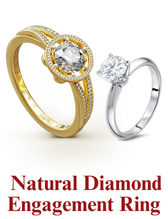
For lab grown diamond engagement rings, solitaire and three-stone designs are popular choices, but there is no single style that suits everyone.
Think about the person wearing the ring. Do they prefer simple jewellery, noticeable sparkle or something unusual?
Also consider whether the ring will be worn every day. Settings with exposed stones or delicate details may need extra care.

Which Diamond Shape Matches Your Style?
Diamond shape can completely change how a ring looks, even when the carat weight remains similar.
Round diamonds offer a classic appearance and are known for their brilliance. Oval diamonds create an elongated look, while emerald cuts feature clean lines and broad flashes of light.
Pear-shaped diamonds have a distinctive teardrop outline. Cushion cuts offer softer corners, and princess cuts provide a modern square appearance.
If you're buying for someone else, look at the jewellery they already wear. Their favourite shapes and overall style can help you choose.
First-time buyer tip: Don't select a diamond shape only because it's trending. Choose one the wearer will enjoy for years.
14K vs 18K vs 22K Gold: Which Is Better?
Gold purity affects the ring's durability, colour, price and suitability for everyday use.
| Gold Purity | Gold Content | Best Consideration |
|---|---|---|
| 14K | 58.5% | Generally durable and practical for everyday rings |
| 18K | 75% | Higher gold content with a good balance of strength and appearance |
| 22K | 91.6% | Richer gold colour but softer and generally less suitable for delicate diamond settings |
For everyday diamond rings, 14K and 18K gold are often practical options.
You can also explore yellow, rose and white gold according to personal preference. Remember that white gold may require occasional maintenance, depending on its finish.
At SolitaireKart, customers can discuss their preferred gold purity, colour and ring design before ordering.
Why Diamond Certification Matters
When purchasing your first diamond, documentation helps you understand what you're paying for.
A diamond grading report records important characteristics such as carat weight, colour, clarity and measurements. Depending on the diamond and report type, it may also include cut-related information and growth-method details.
IGI certified lab grown diamonds are accompanied by grading documentation from the International Gemological Institute.
Before purchasing, check the report number and verify the information through the grading laboratory's official report-checking service.
Remember that a diamond grading report and a gold hallmark are different.
A diamond report describes the stone's characteristics, while gold hallmarking verifies the precious metal's purity under the applicable hallmarking system.
At SolitaireKart, customers can enquire about certified diamond options and the documentation provided with their selected jewellery.
Questions to Ask Before Buying Your First Diamond Ring
Before placing an order, ask yourself a few important questions:
-
Who is the ring for? Are you buying it for yourself, your partner or someone special?
-
What is the occasion? Is it for an engagement, anniversary, birthday or everyday wear?
-
What is your budget? Consider the complete ring, including the diamond, gold, setting and applicable charges.
-
Natural or lab grown? Understand the difference before deciding.
-
Which gold purity suits your needs? Consider daily wear, design and budget.
-
Is the diamond certified? Ask what grading documentation accompanies the stone.
-
Can the design be customised? Check available shapes, settings, sizes and gold colours.
Also confirm resizing options, production timelines, delivery charges, returns and any current offers before completing your purchase.
Frequently Asked Questions
Are lab grown diamonds real diamonds?
Yes. Lab grown diamonds are genuine diamonds with essentially the same physical, chemical and optical properties as natural diamonds. Their origin is different.
Are lab grown diamond rings suitable for everyday wear?
Yes. Diamonds are highly resistant to scratching, although they can still chip or become loose if struck. A secure setting and appropriate gold purity are important for daily wear.
Is 14K or 18K gold better for a diamond ring?
Both can be good choices. 14K is generally more resistant to everyday wear, while 18K contains more pure gold. The better option depends on your budget, preferences and ring design.
Can I customise a lab grown diamond ring?
Yes. SolitaireKart offers customisation options, allowing customers to discuss diamond shapes, settings, gold colours and other design preferences.
Does SolitaireKart provide diamond certification?
SolitaireKart offers certified diamond options. Ask the team to confirm the grading laboratory, report details and documentation available for your selected diamond.
Find Your First Diamond Ring at SolitaireKart
Your first diamond ring should feel right for the person wearing it and the occasion it represents.
Whether you prefer a simple solitaire, a sparkling halo or a personalised design, take time to understand the diamond's quality, setting and gold purity before making your decision.
At SolitaireKart, you can explore natural and lab grown diamond jewellery, compare designs and discuss customisation options based on your preferences.
Explore Lab Grown Diamond Rings at SolitaireKart or contact us to find a design within your budget.


