

 Recently
 Locate
Cart
0

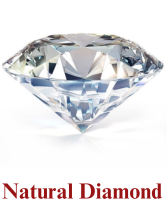
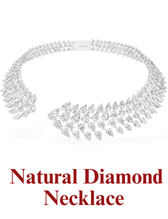
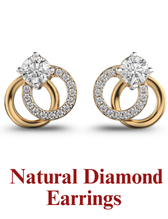
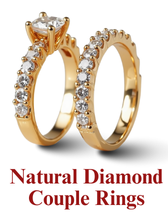
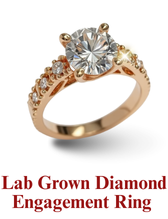
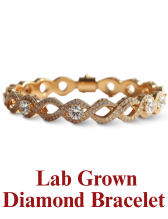
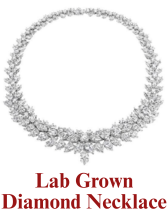
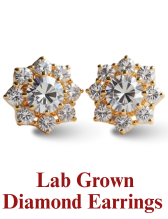
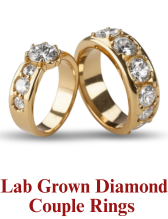
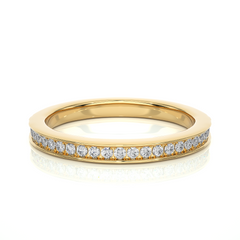
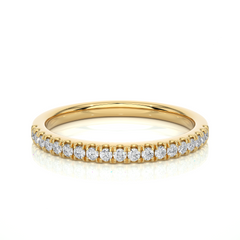
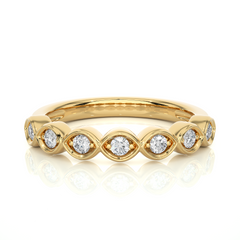

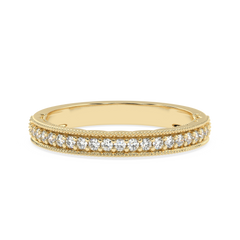
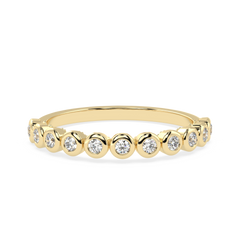
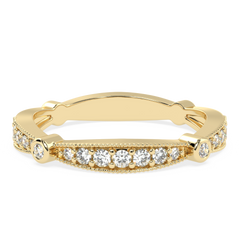

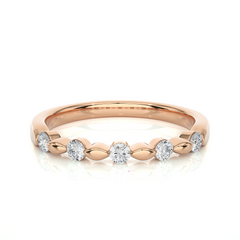
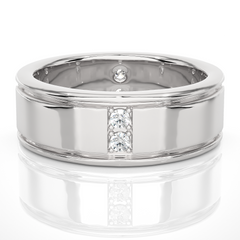

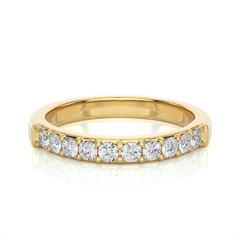
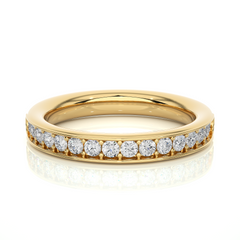


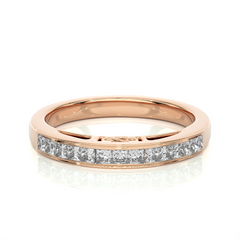

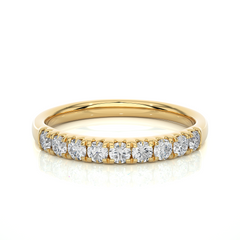
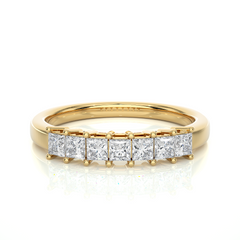
Natural diamonds have symbolized love, strength, and timeless beauty for centuries. Formed deep within the earth over billions of years, natural diamonds carry a rarity and emotional value that make them one of the most desired gemstones in the world. Whether you are buying an engagement ring, fine jewelry, or an investment piece, understanding natural diamonds is essential.
This buying guide will help you confidently choose natural diamonds by explaining quality factors, pricing, certification, and smart purchasing tips.
What Are Natural Diamonds?
Natural diamonds are gemstones formed naturally under extreme heat and pressure beneath the earth’s surface. Unlike lab-created alternatives, natural diamonds are mined from the earth, making each stone unique and rare.
Because of their natural origin, natural diamonds are valued for their authenticity, history, and long-term worth.
Why Choose Natural Diamonds?
People choose natural diamonds for their unmatched legacy and emotional significance. These diamonds represent permanence and tradition, making natural diamonds a popular choice for engagements and heirloom jewelry.
Additionally, natural diamonds have strong resale and investment value compared to other gemstones.
Understanding the 4Cs of Natural Diamonds

The quality and value of natural diamonds are determined by the 4Cs: cut, color, clarity, and carat weight.
Cut
Cut affects the brilliance of natural diamonds. A well-cut diamond reflects light beautifully, enhancing sparkle.
Color
Color in natural diamonds ranges from colorless to light yellow. Higher color grades are more valuable.
Clarity
Clarity measures internal inclusions and external blemishes in natural diamonds. Fewer inclusions mean higher clarity.
Carat Weight
Carat refers to the weight of natural diamonds. Larger carat diamonds are rarer and more valuable.
Natural Diamonds Cut Shapes
Popular shapes for natural diamonds include round, princess, oval, cushion, emerald, pear, and marquise. Each shape offers a distinct style and brilliance.
Certification of Natural Diamonds
Always choose certified natural diamonds graded by trusted gemological labs. Certification ensures authenticity, quality, and transparency.
Natural Diamonds Price Guide
The price of natural diamonds depends on the 4Cs, rarity, and market demand. Compared to lab-grown options, natural diamonds typically command a higher price due to scarcity and natural origin.
Natural Diamonds vs Lab-Grown Diamonds

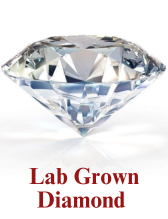
While both look similar, natural diamonds are formed naturally over billions of years, whereas lab-grown diamonds are created in laboratories. Buyers who value rarity and tradition often prefer natural diamonds.
Choosing Natural Diamonds for Engagement Rings
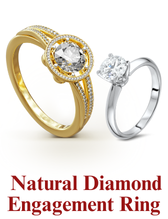
Natural diamonds are a classic choice for engagement rings due to their symbolism of eternal love. Selecting the right balance of cut, clarity, and carat ensures beauty and longevity.
Natural Diamonds for Everyday Jewelry
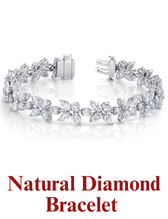
With proper setting and care, natural diamonds are suitable for everyday wear. Their hardness makes natural diamonds highly durable.
Investment Value of Natural Diamonds
Many buyers consider natural diamonds a long-term investment. Their limited supply and consistent demand contribute to enduring value.
Natural Diamonds in India
India has a strong cultural connection with natural diamonds, making them popular for weddings, festivals, and fine jewelry purchases.
Caring for Natural Diamonds
Clean natural diamonds regularly using mild soap and warm water. Proper storage helps maintain brilliance and longevity.
Tips to Buy Natural Diamonds Smartly
When purchasing natural diamonds, focus on certification, quality balance, and buying from trusted jewelers to ensure value.
Conclusion
Natural diamonds remain the ultimate symbol of luxury, rarity, and emotional significance. By understanding the 4Cs, certification, and pricing, buyers can confidently select natural diamonds that suit their style and purpose.
Whether chosen for love, celebration, or investment, natural diamonds offer timeless beauty that lasts forever.


