

 Recently
 Locate
Cart
0



Have you ever looked at two diamonds with the same carat weight and thought, “Why does one look so much bigger?”
You're not imagining it.
When shopping for a diamond, many people assume that higher diamond carat size automatically means a larger-looking stone. But carat measures weight, not the exact visual size of a diamond. One carat equals 0.2 grams, and two diamonds with the same weight can have different face-up appearances.
So, what actually makes a diamond that looks bigger?
Carat Weight vs Diamond Size
Let's clear up the biggest misconception first.
Carat = weight.
Size = how large the diamond appears and its physical measurements.
A 1 carat diamond doesn't automatically look the same size as every other 1 carat diamond. Cut proportions, shape, and how much of the diamond's weight is visible from the top can all influence its appearance.
For example, a poorly proportioned diamond may carry additional weight in its depth rather than across its visible surface. That extra weight contributes to the carat number but doesn't necessarily make the diamond look larger when viewed face-up.

Which Diamond Shapes Look Bigger?
Shape can make a noticeable difference.
Elongated shapes often create the impression of greater size because they cover more visible surface area when viewed from above. GIA specifically notes that shapes such as oval, marquise, and pear can appear larger for their carat weight.
Some popular choices include:
Oval Diamond
An oval can give you a larger-looking appearance while maintaining a sophisticated silhouette. It is also a popular alternative for shoppers who want something different from a traditional round diamond.
Marquise Diamond
The long, narrow outline of a marquise diamond can create a striking visual effect and make the stone appear larger than its weight might suggest.
Pear Diamond
The combination of a rounded end and pointed tip gives pear diamonds an elongated appearance, making them an interesting choice for someone looking for a distinctive diamond that looks bigger.
Emerald Cut
Its elongated rectangular outline can provide impressive coverage, although its step-cut facets create a different visual effect from brilliant-cut shapes.
What About a Round 1 Carat Diamond?
A 1 carat diamond remains a classic choice, particularly for engagement rings.
However, don't choose a diamond based only on the number “1.00.”
Two diamonds with the same weight diamond measurement can look different because their proportions and cutting affect how much of the stone is visible from above.
This is why comparing the diamond's measurements alongside its carat weight can be useful when shopping.
Cut Can Make a Big Difference
Here's the part many first-time buyers overlook.
A diamond with well-balanced proportions can return light beautifully and appear bright and lively. On the other hand, a diamond with excessive depth may hide some of its weight underneath the girdle, making it appear smaller than expected.
So, when comparing diamonds, don't simply ask:
“How many carats is it?”
Also ask:
“How does the diamond look face-up?”
That small change in thinking can make your buying process much smarter.
What's the Best Diamond Shape for an Engagement Ring?
There isn't one universally best diamond shape for engagement ring shoppers.
It depends on your style.
| Shape | Visual Character | Great For |
|---|---|---|
| Round | Classic & brilliant | Traditional styles |
| Oval | Elongated & elegant | Larger-looking appearance |
| Marquise | Long & dramatic | Statement lovers |
| Pear | Distinctive & graceful | Romantic styles |
| Emerald | Sleek & sophisticated | Minimalist designs |
| Cushion | Soft & vintage-inspired | Classic-romantic looks |
If your priority is maximum visual coverage, elongated shapes such as oval, marquise, and pear are worth exploring. But cut quality should still be considered rather than choosing shape alone.
How to Choose a Diamond That Looks Bigger
If visual size is important to you, keep these tips in mind:
1. Compare measurements, not just carat weight
Look at the diamond's length and width along with its carat.
2. Explore elongated shapes
Oval, pear, and marquise can provide greater face-up coverage for their weight.
3. Pay attention to cut
Good proportions help balance visible size and sparkle.
4. Consider the setting
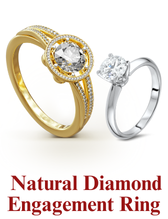
Certain engagement-ring settings, including halo designs, can create an illusion of greater size.
5. Don't automatically chase a “magic size”
Popular weights such as 1.00, 1.50, and 2.00 carats can carry significant pricing jumps. A stone just below one of these thresholds may offer a different value proposition while appearing very similar in size.
Final Thoughts
A bigger number doesn't always mean a bigger-looking diamond.
When choosing your next diamond, look beyond diamond carat size and consider shape, measurements, cut, and setting. Sometimes, choosing the right proportions can give you the visual impact you're looking for without simply increasing the carat weight.
Whether you're comparing a 1 carat diamond, searching for an engagement ring, or exploring different diamond shapes, focus on how the complete stone looks—not just the number on the certificate.
At Solitairekart, explore natural and lab grown diamonds in different shapes, carat weights, and designs to find a diamond that looks as beautiful as it feels.
FAQs
Does higher carat mean a bigger diamond?
Not necessarily. Carat measures weight, while visible size depends on the diamond's dimensions, shape, and cut proportions.
Which diamond shape looks the biggest?
Elongated shapes such as oval, marquise, and pear can create a larger-looking appearance for their carat weight.
Does a 1 carat diamond look big?
A 1 carat diamond can have a strong visual presence, but its apparent size depends on its shape, proportions, and dimensions.
How can I make my engagement diamond look bigger?
Choosing an elongated shape and an appropriate setting can enhance the perception of size.
Is diamond shape more important than carat?
Neither is universally more important. If visual size matters, consider shape and measurements alongside carat weight, while still paying attention to cut and overall diamond quality.


